 Elizabeth Davidson · · 4 min read
How Beaverton Got Its Name: From Beaver Dam to Beaverton
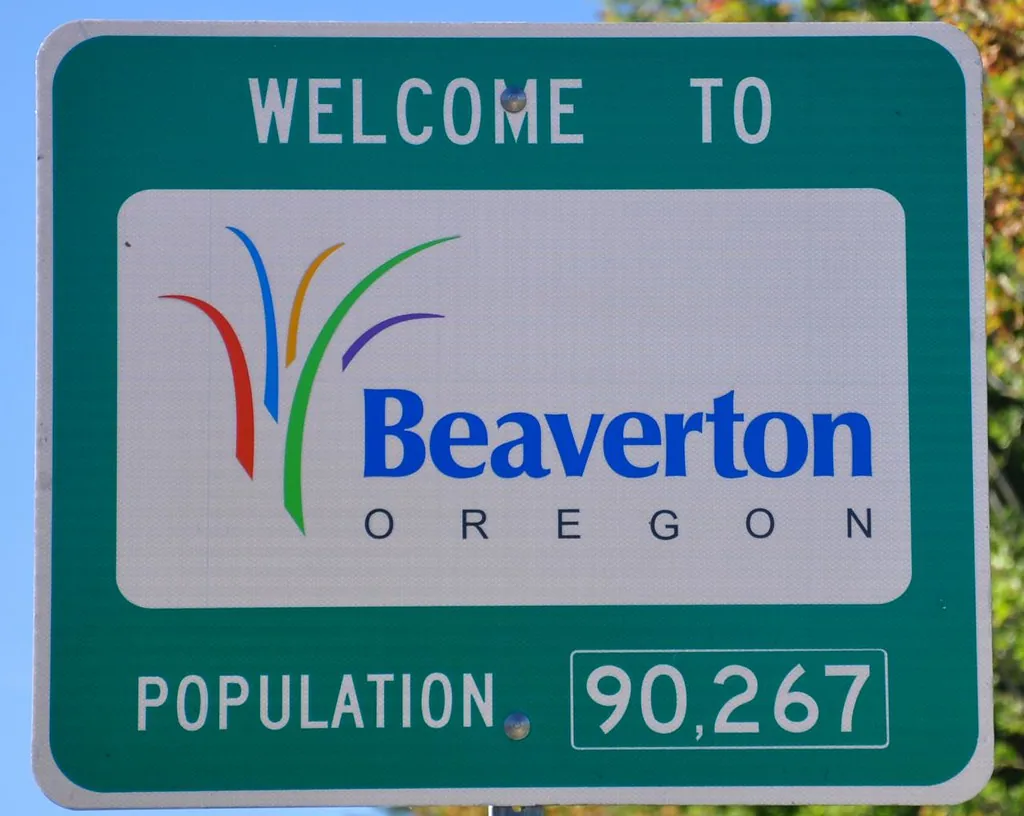
Before there were streets, shops or a railroad, this corner of the Tualatin Valley was low, wet land where beavers lived, and early settlers called the place Beaver Dam. That name was later changed to Beaverton. Here's the story of those early years, from the first land claim to the town plat, and where you can still see it in today's street names.
Quick facts
- Early name: "Beaver Dam," later changed to Beaverton, according to the City of Beaverton's history page
- The land: a low, fertile wetland with small lakes and creeks and fur-bearing mammals such as beaver, marten and muskrat (Oregon Encyclopedia)
- First land claim: 1847, Lawrence Hall, 640 acres described as "beaverdam"
- Town platted: 1868, as a stop on a new railway through the valley
- Incorporated: February 10, 1893
- Name you'll still see: Hall Boulevard, named for the Hall pioneer family
A wetland full of beavers
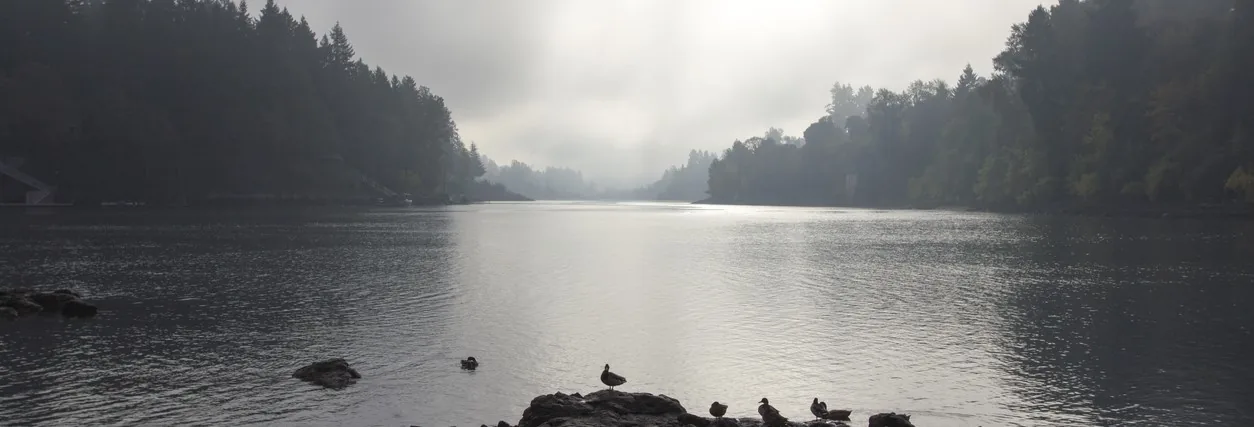
The Oregon Encyclopedia describes the land where Beaverton now sits as a low, fertile wetland with small lakes and creeks, aquatic plants and birds, and fur-bearing mammals such as beaver, marten and muskrat.
According to the City of Beaverton's history page, early settlers called the place "Beaver Dam," and this was later changed to Beaverton.
Lawrence Hall's 1847 claim
The city's history page says that in the spring of 1847, Lawrence Hall took up the first land claim in what is now Beaverton: 640 acres of beaverdam. He and his brother built a grist mill near present-day Walker Road.
The Oregon Encyclopedia says Lawrence and Lucy Hall survived travel on the Meek Cutoff route, and that their homestead and gristmill stood near where Walker Road now meets Murray Boulevard. If you've ever driven Hall Boulevard, you've been on a piece of this story.
Mills, roads and neighbors
More settlers followed. The city says Thomas Hicklin Denney and his wife Berrilla came to Oregon in 1849 and quickly set up the first sawmill in what is now the Beaverton area. Augustus Fanno told them about a fine section of land next to his, and by 1850 the Denneys had moved into a three-room log house on their claim, near what is now Scholls Ferry Road and Hall Boulevard.
Getting crops and lumber to Portland was the next challenge. In 1850 the Territorial Legislature chartered the Portland-Tualatin Valley Plank Road Company to build plank roads from Portland to Hillsboro along Canyon Road, which the city calls the Pacific Coast's first plank roads. By 1860, the plank road along Canyon Road was finished as far as Beaverton.
From Beaver Dam to a town called Beaverton
The railroad helped the settlement grow into a town. The Oregon Encyclopedia says Joshua Welch, George Betts and William Watson platted the town of Beaverton as a stop along a new railway through the valley. An article by the Beaverton Historical Society's historian on the Downtown Beaverton site adds a lovely detail: on December 26, 1868, Welch and his wife Adline traveled by horse and buggy to the county courthouse to file the plat.
The city's history page says the railroad into town, built in 1868, spurred the small farming community to grow. In 1872 George Betts became the first postmaster, with the post office in his general store. When the city wrote its 2007 history, the post office sat on Betts, a street named in his honor.
Beaverton became an official city on February 10, 1893. Two of my sources disagree on the population that year: the city puts it at 400, while the Historical Society historian's article says 250.
Pioneer names on today's street signs
The Oregon Encyclopedia says many Beaverton streets are named for settler families, including the Davies, Tucker, Allen, Murray, Merlo and Watson families. A few to look for around town:
- Hall Boulevard, which the city says is named after the Hall pioneer family
- Watson Avenue, sharing a name with William Watson, one of the 1868 town platters
- Allen Boulevard: the city says early resident Orrin S. Allen lived where SW Allen and Hall Blvd. meet today
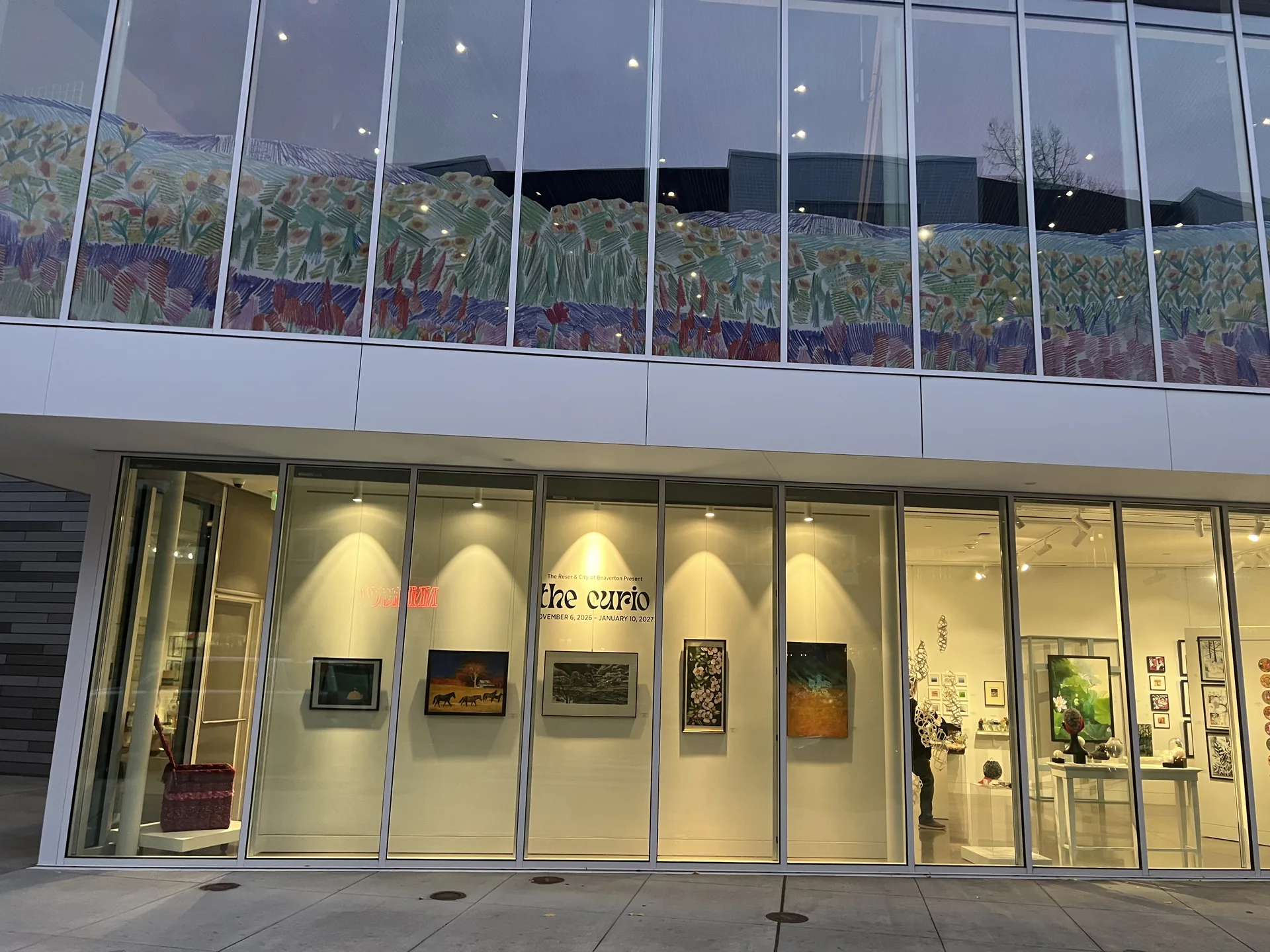
You'll find more of my posts, including my guide to The Curio holiday art market at The Reser, on my Beaverton city guide page.
Beaverton business of the week
Since Canyon Road carried the old plank road toward Portland, I'm picking a spot right on it. A favorite is Tom's Pancake House, serving jumbo pancakes and other diner-style fare such as omelets in a casual dining room. You'll find it at 12925 SW Canyon Rd, Beaverton, OR 97005.
Frequently asked questions
What was Beaverton called before? According to the City of Beaverton, early settlers called the place "Beaver Dam," and the name was later changed to Beaverton.
Who made the first land claim in Beaverton? The city's history page says Lawrence Hall took up the first land claim, 640 acres of beaverdam, in the spring of 1847.
When was Beaverton founded? The town was platted in 1868 as a stop on a new railway, and Beaverton was incorporated as a city on February 10, 1893.
When did the plank road reach Beaverton? According to the city, the plank road along Canyon Road was finished as far as Beaverton by 1860.
I love a city whose name tells its own story. If you're curious about living in Beaverton, I'd be glad to hear from you.
Sources
Thinking about buying or selling in Portland or Lake Oswego? Let's talk.
Contact Elizabeth